Among the many figures that populate Norse legend and Viking-age sagas, the Ulfhednar stand out for their fierce, primal image: warriors who fought with the ferocity of wolves. Often conflated with berserkers, the Ulfhednar are a distinct—and fascinating—part of Scandinavian martial and spiritual culture. Here’s a compact look at who they were, how they operated, and what they meant to their societies.
The term Ulfhednar (Old Norse ulfhéðinn, literally “wolf-coat”) refers to a type of warrior associated with wolf-skins and wolf-like behavior in battle. Classical and medieval sources describe them as elite fighters who donned wolf pelts and channeled the animal’s traits—strength, ferocity, and a willingness to fight to the death. They appear in sagas, skaldic poetry, and law codes, and are paralleled by other “shape-shifter” warrior types across Germanic cultures, such as the berserkers (often linked to bears).
Historical understanding of the Ulfhednar comes from a mix of literary sources (sagas, skaldic verses), law texts, and occasional foreign accounts (like Adam of Bremen). This patchwork leaves room for debate:
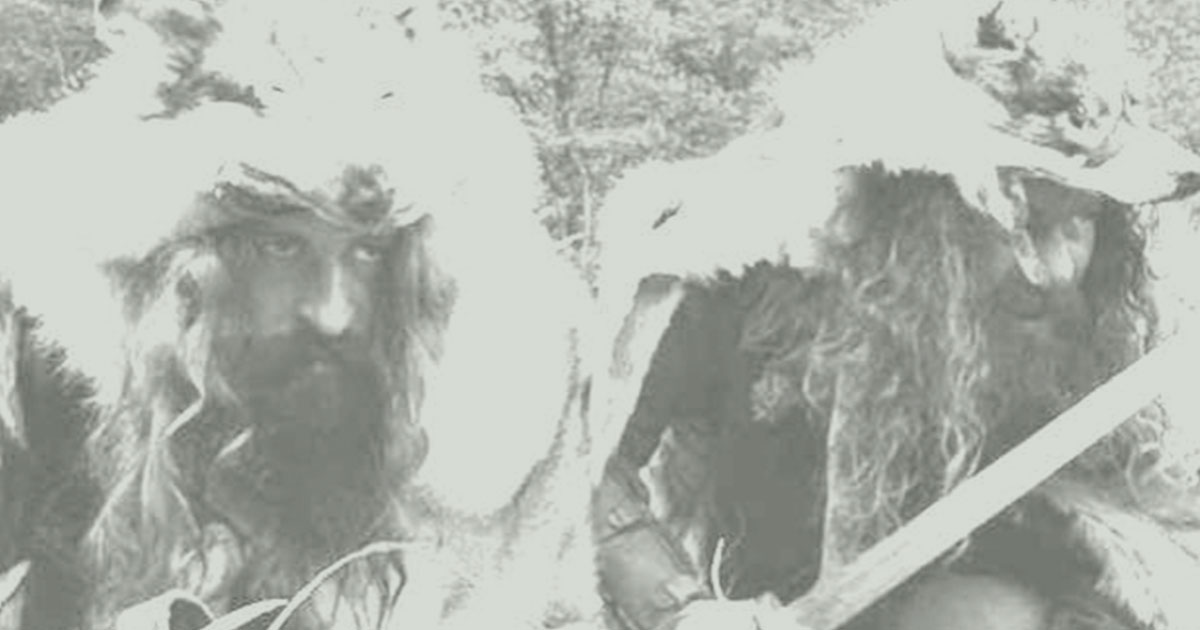
Ulfhednar have captivated modern imaginations—appearing in fantasy literature, games, and neopagan reconstructions. Contemporary depictions sometimes emphasize the savage and supernatural aspects, while historical scholarship tends to balance the mythic imagery with social and religious context.
Ulfhednar illuminate how the Norse blended warfare, religion, and identity. They show that martial prowess could be deeply intertwined with ritualized transformation, social roles, and cosmic symbolism. Whether literal wolf-clad fighters or ritual archetypes, they represent a striking example of how human societies use animal imagery to shape courage, cohesion, and the boundaries between the human and the wild.
Shooting sports essentially evolved from warfare and hunting and the Norse spirit is evident today in the sheer numbers of the population that take part in this incredible sport/activity. Whether for hunting, professional, or competitive rationale, there is a global desire to be part of something powerful, to be part of something that continues legacy and heritage, and that answers the question; ARE YOU ULFHEDNAR?
Stay up-to-date on new products, promotions, giveaways and more.