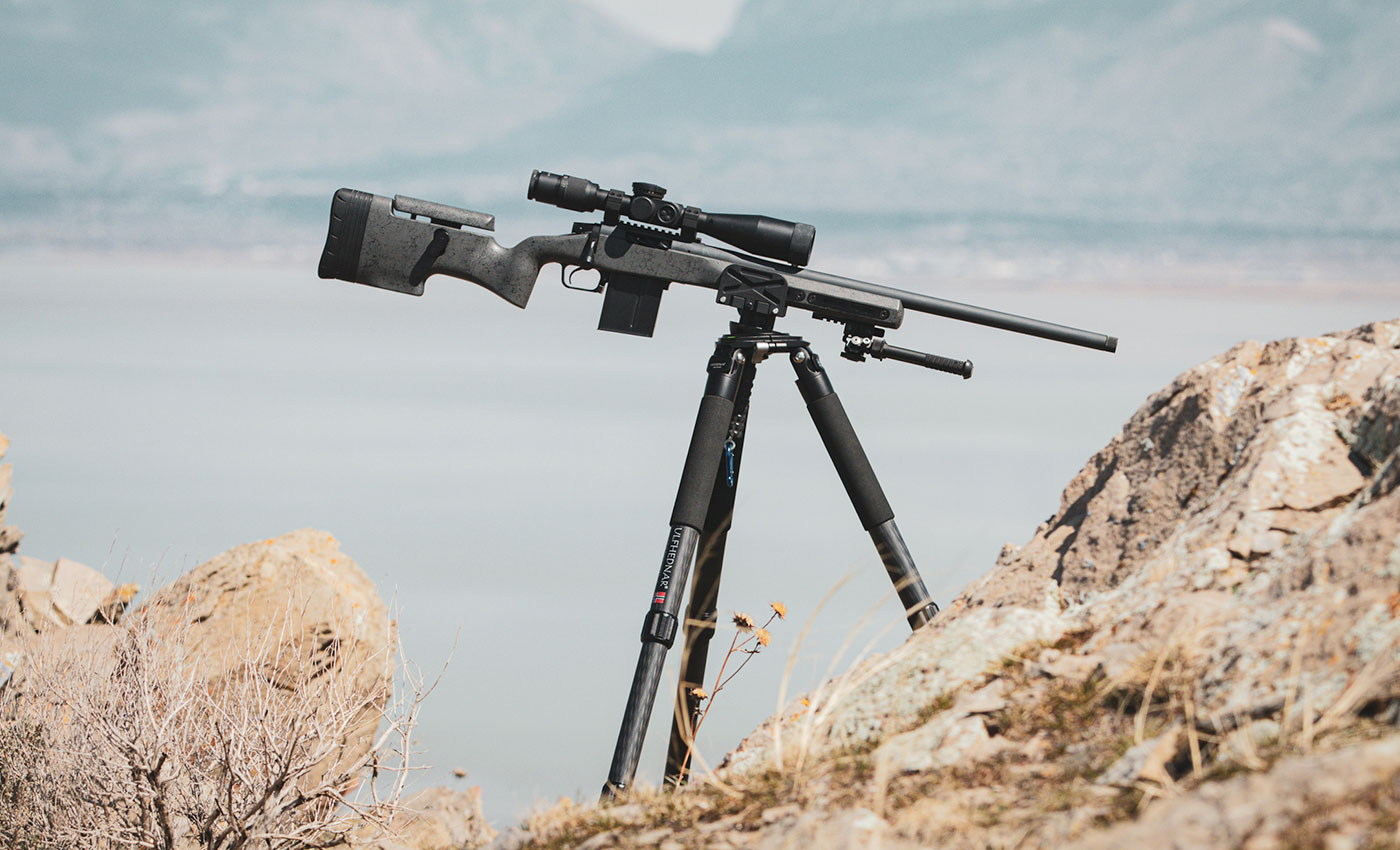
When most shooters think about gear upgrades, they often jump to optics, rifles, or backpacks. Tripods, however, tend to get treated as a single “check-the-box” purchase. In reality, owning multiple tripods of different sizes can dramatically improve your effectiveness and comfort in the field. Just like you wouldn’t carry the same rifle for every type of hunt or competition, the same idea applies to tripod systems.
From ultralight spotting/glassing setups to rock-solid shooting platforms, different tripod sizes fill different roles. If you spend serious time behind optics or take longer shots in open country, having a small, medium, and large tripod option can make a noticeable difference.
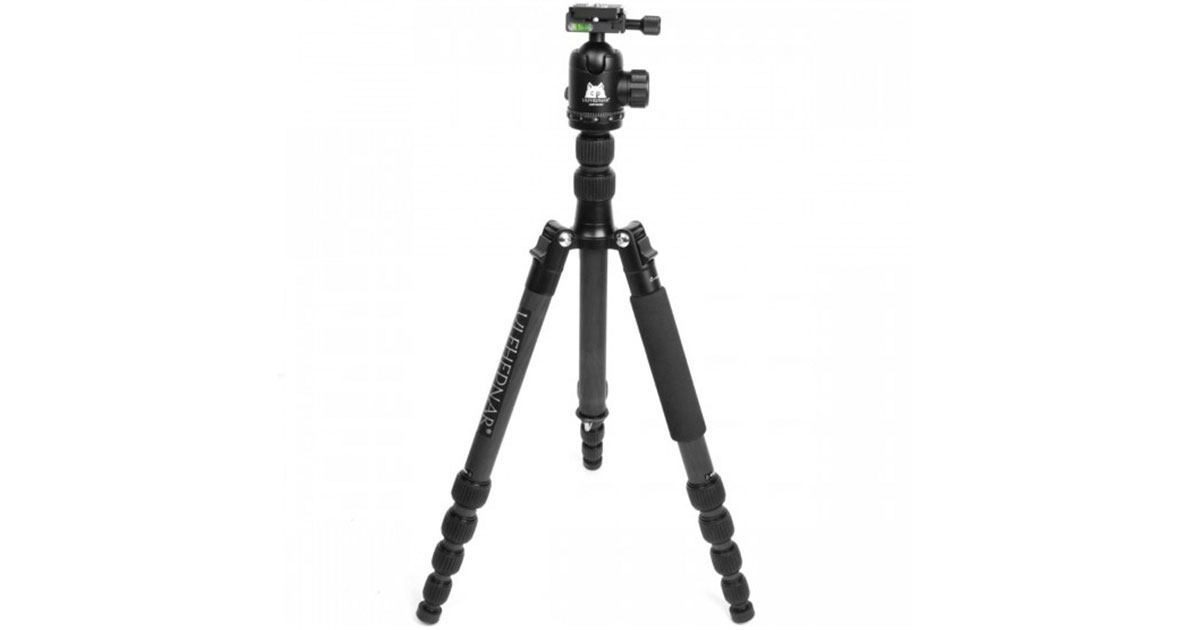
Small ultralight tripods shine when mobility matters most. Whether you're covering miles while scouting, running trail cameras, or glassing quickly from multiple locations, a compact tripod is hard to beat.
These tripods typically:
Weigh under 2 pounds
Fold down small enough to strap to a pack
Deploy quickly for short glassing sessions
Detachable monopod for ultralight use
They’re ideal for binocular glassing, lightweight spotting scopes, getting a rangefinder in the sweet spot, and absolutely as a stabilizer for shooting/hunting when needed.
The biggest advantage is simple: you’ll actually bring it with you. Large tripods often get left behind during on-the-move competitions and fast hunts, but a small tripod can stay on your pack all day without becoming a burden.
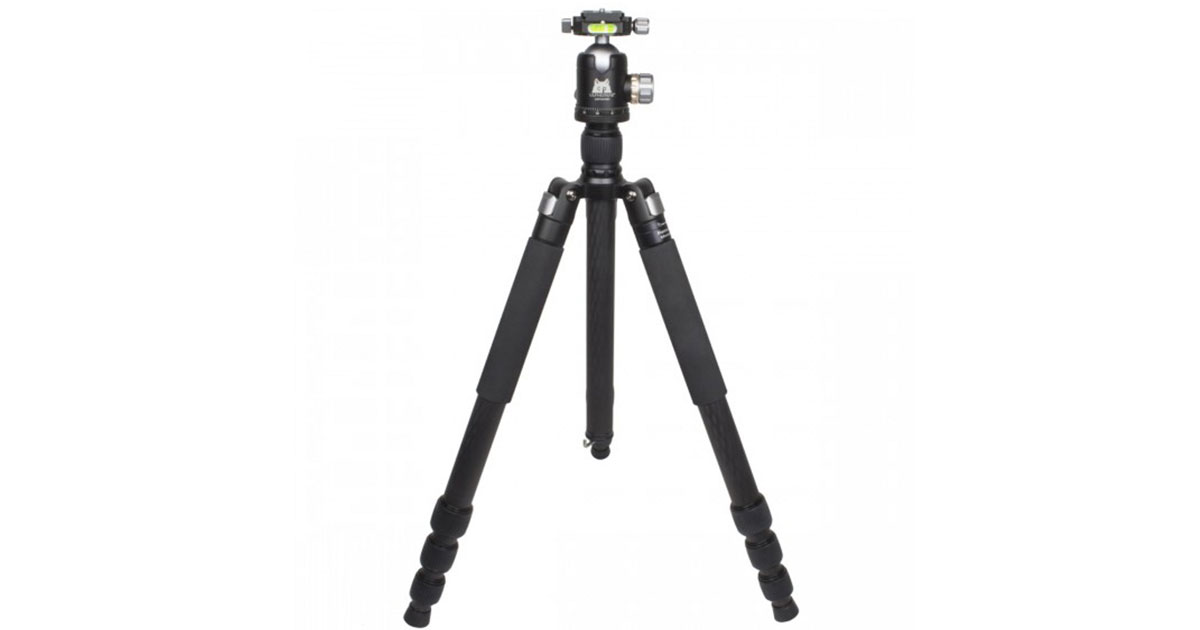
If there’s one tripod that sees the most use, it’s the mid-sized option. These are the do-it-all tripods that balance stability and portability.
A good mid-size tripod works well for:
Long spotting/glassing sessions with binoculars/spotting scopes
Rifle shooting with an incorporated Arca rail mount or clamp
Filming where stillness and maximum stability counts
Also typically feature a more robust detachable monopod
Most hunters find this category hits the sweet spot. It’s stable enough for meaningful shooting support, but still light enough to carry in competition or on most hunts. They may feature a ballhead or panhead setup.
If you could only own one tripod, this is usually the category that makes the most sense.
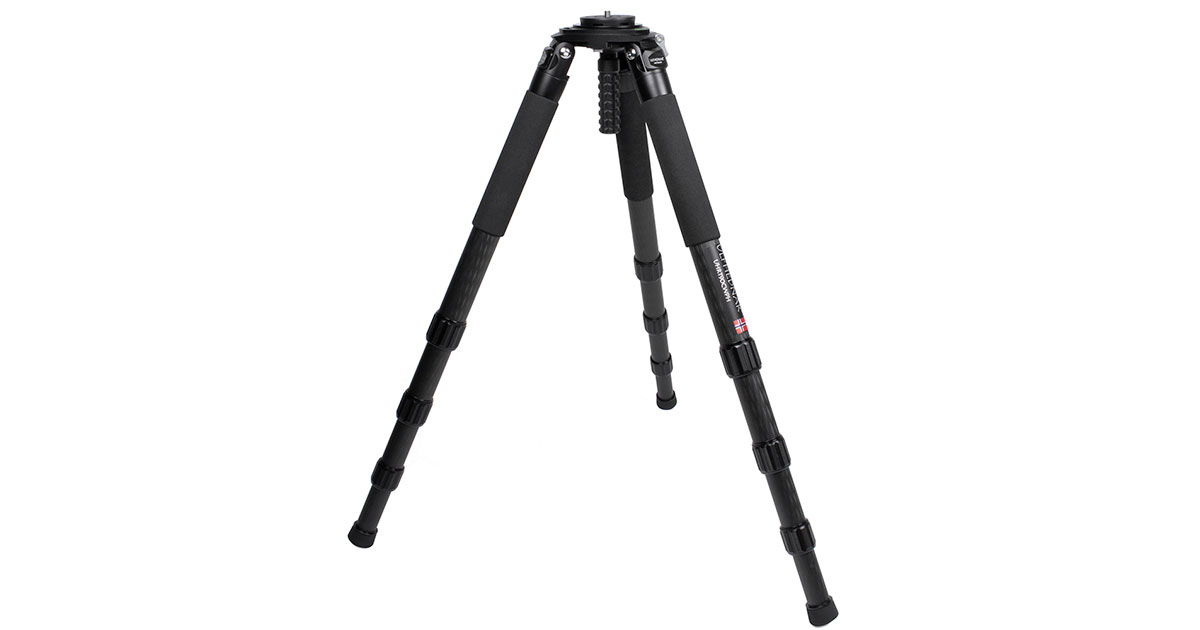
When stability becomes the top priority, full-size tripods are unmatched. These larger tripods provide a rock-solid shooting platform, especially when paired with a rifle clamp (Ulfhednar UHDLOCK or UHCLAMP) or arca rail system (UH365 LOKE).
Situations where large tripods shine include:
Long-range shooting
High-magnification/bulky spotting scopes
Filming or photography
Windy conditions
Extended spotting/glassing sessions
The extra leg diameter and height create a noticeably more stable platform. When you're trying to hold steady on a distant target or pick apart a hillside through high magnification, that stability matters.
The tradeoff is weight. These tripods often weigh 4–6 pounds or more, which makes them less ideal for long backcountry hikes.
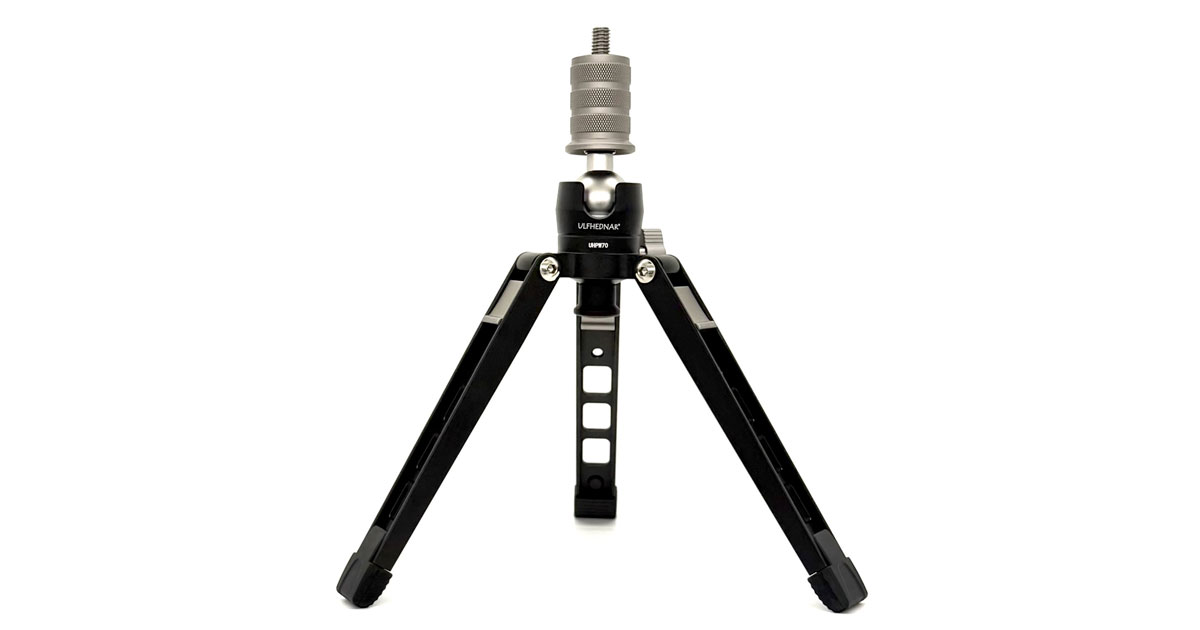
For tabletop at the range or on the ground in prone, a super compact tripod can give you great stability and just enough rise for the task at hand.
Opportunities to break out a mini tripod:
Rangefinder, windmeter or velocity chronograph
Tabletop spotting scope
Photography
Think about your tripod setup the same way you think about footwear. You wouldn't wear heavy mountain boots to run a quick errand, and you wouldn't hike ten miles in lightweight sneakers.
Different scenarios demand different tools.
For example:
Ultralight or mid-size tripod when every ounce counts
Mid-size tripod for a speed and stability balance
Full-size tripod for max stability; even under thermal/NV
Full-Size tripod with spotting scope (and coffee)
By investing in "the quiver" of tripods, you can optimize your system for the hunt instead of compromising every time.
Many hunters underestimate how much a tripod improves glassing efficiency. Even small movements from hand-holding binoculars can cause eye fatigue and make animals harder to spot.
Stability is EVERYTHING in competition and may be the very edge you needed to go from just a competitor to a podium spot.
Tripods:
Reduce shake
Allow slow, methodical scanning
Increase spotting distance
Reduce eye strain
Increase speed from target acquisition to sending rounds downrange
Over the course of a season, that translates to more animals located and better shot opportunities.
You don’t need to buy three tripods at once. Most hunters build their system gradually.
A common progression looks like this:
Start with a mid-size tripod for general use
Add an ultralight tripod for scouting and mobile hunts
Finish with a large tripod for rock-solid shooting or dedicated glassing setups (also good if you want to shoot from one, spot from another)
Once you’ve used each size in the field, it becomes obvious that they all serve different purposes.
Tripods have evolved from photography tools into essential shooting/hunting gear. As optics improve and shooting distances increase, stability becomes more important than ever.
Owning tripods in multiple sizes gives you the flexibility to adapt to different hunts, terrain, and gear setups for competition. Instead of forcing one tripod to do everything, you’ll always have the right tool for the situation.
And when you spend long days behind optics, that difference is easy to appreciate.
Stay up-to-date on new products, promotions, giveaways and more.